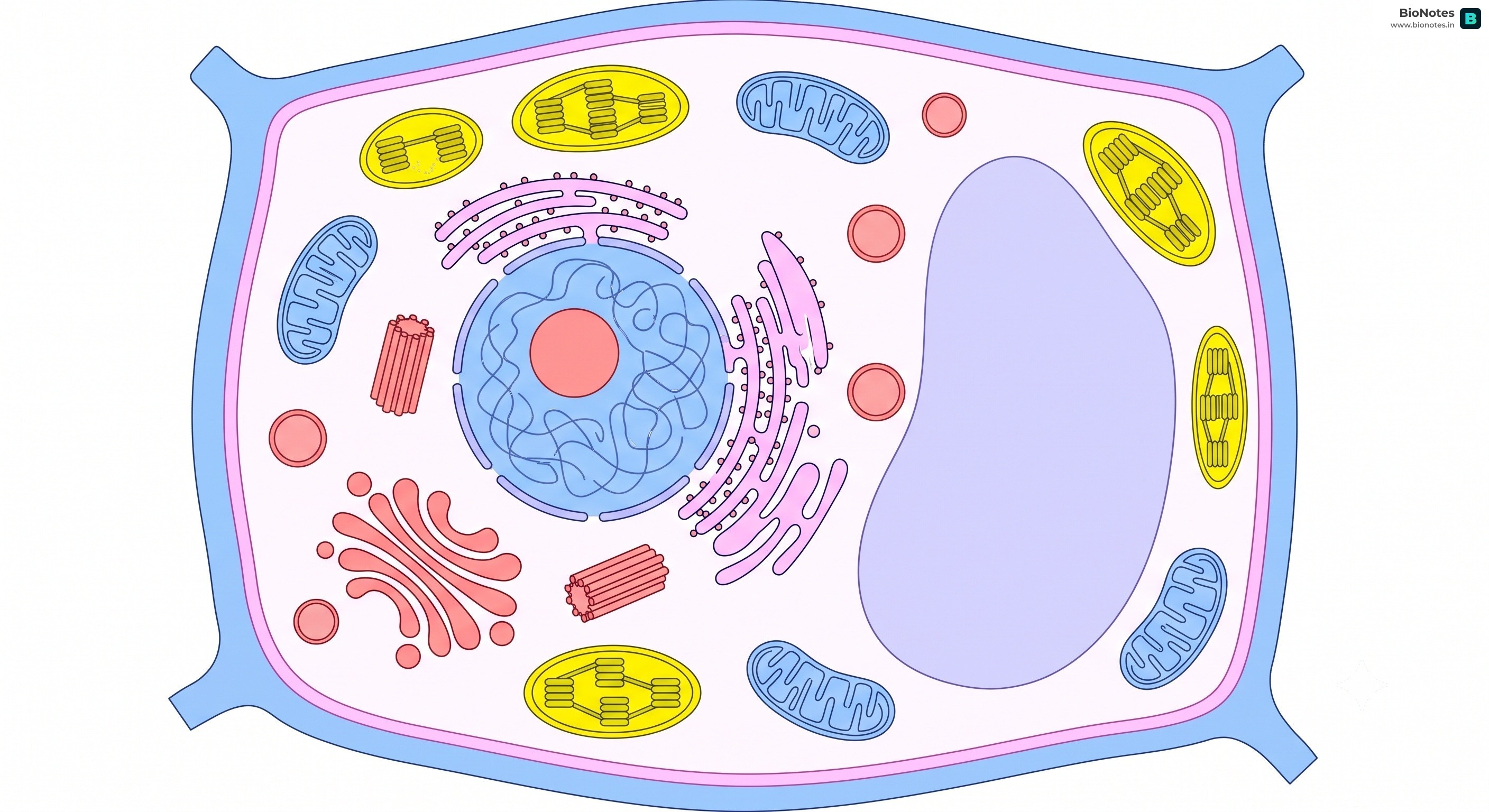
(ii) [2](any two) It controls all the activities of the cell; it contains the chromosomes (DNA) that carry hereditary information; it controls cell division.
(iii) [2](any two)
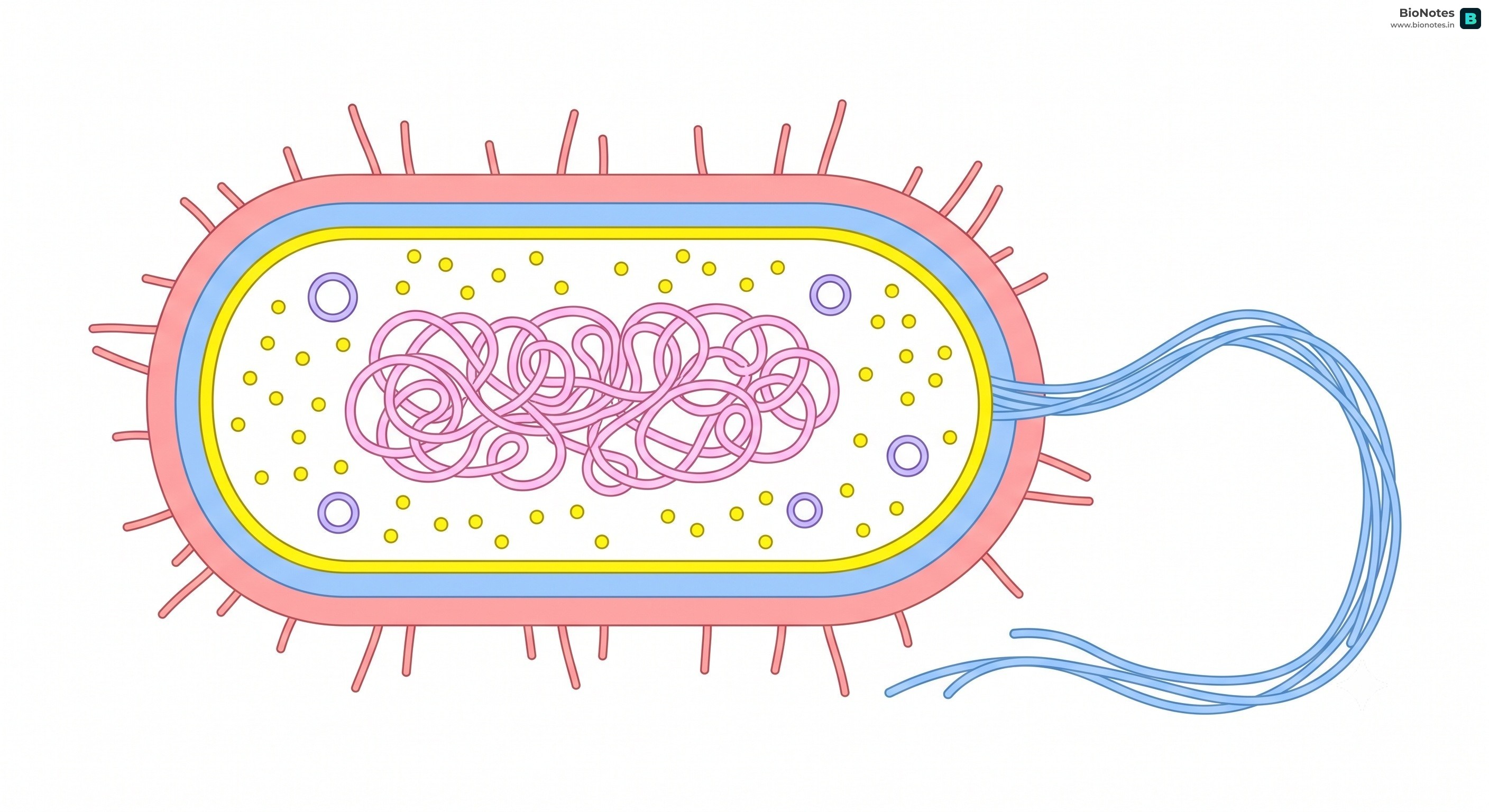
Prokaryotic cell
Eukaryotic cell
Nucleus absent; DNA lies free in the cytoplasm (nucleoid)
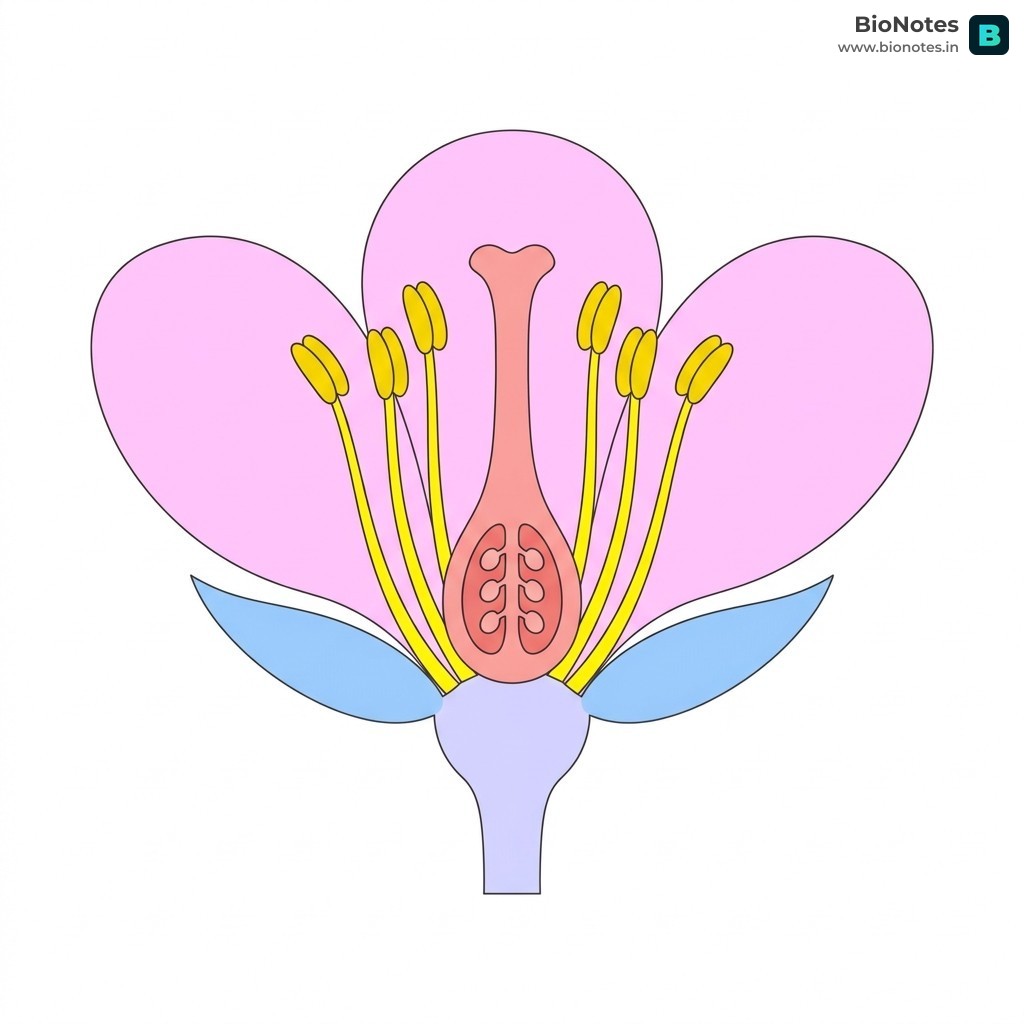
(ii) [2] A complete flower has all four whorls (calyx, corolla, androecium, gynoecium), e.g. hibiscus / china rose [1]; an incomplete flower lacks one or more whorls, e.g. cucumber / papaya / maize [1].
(iii) [2](any two) Produces more variation among the offspring; offspring are healthier and better adapted to the environment; seeds are more viable; helps in the evolution of new varieties.
(iv) [2] Triple fusion is the fusion of one male gamete with the two polar nuclei in the embryo sac to form the triploid primary endosperm nucleus [1]. Significance: the endosperm formed provides nutrition to the developing embryo [1].
(v) [3](any three) Flowers are large and brightly coloured; have scent; produce nectar; pollen grains are sticky/spiny; stigma is sticky and often inside the flower.
(ii) [2](any two) Eukaryotic organisms; heterotrophic — saprophytic or parasitic; no chlorophyll; cell wall made of chitin; body made of thread-like hyphae forming a mycelium; reproduce by spores.
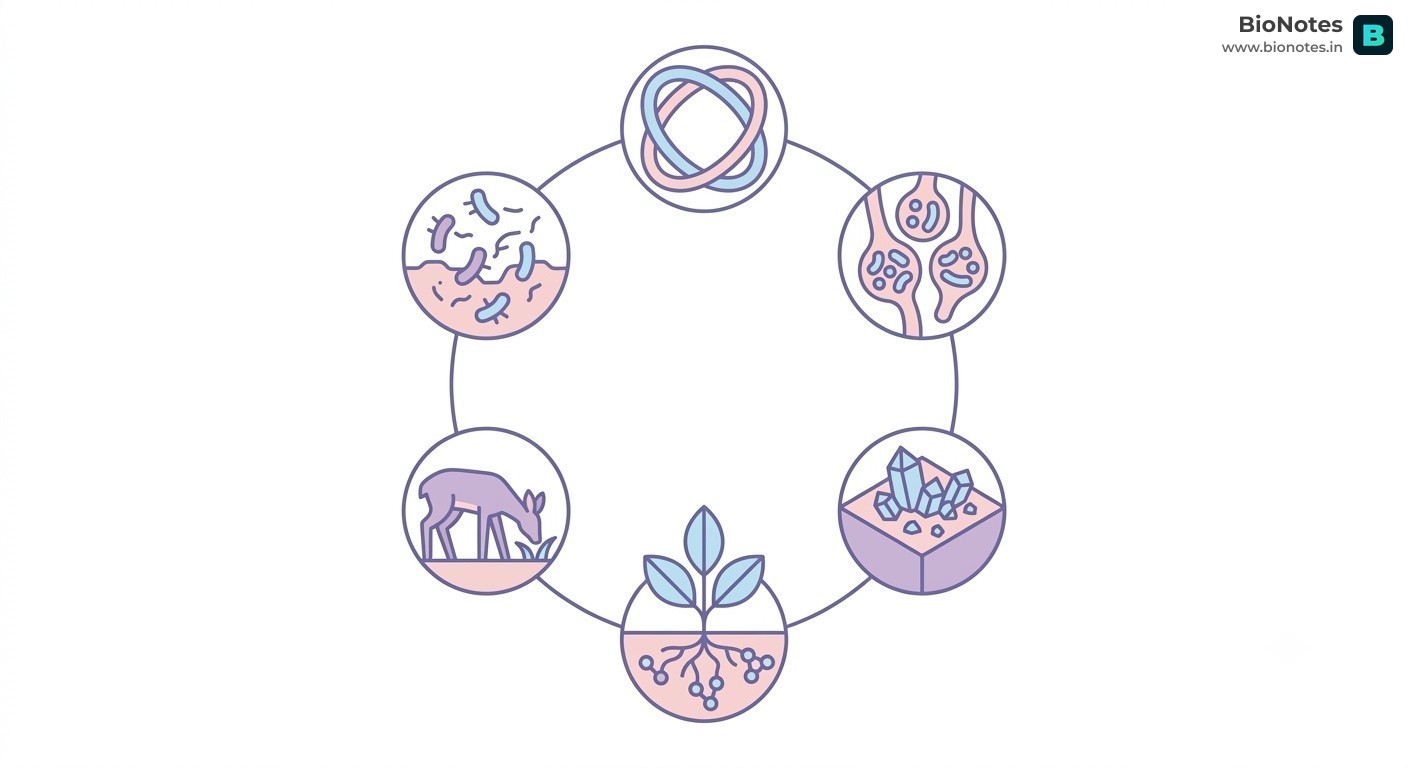
(iii) [2](any two) Agriculture: Rhizobium fixes atmospheric nitrogen in the root nodules of legumes. Industry: Lactobacillus converts milk into curd; production of antibiotics; curing of tea and tanning of leather.
Interactive Diagram•study Mode
||
www.bionotes.in
(iv) [2] Nitrogen-fixing bacteria (e.g. Rhizobium, Azotobacter) convert atmospheric nitrogen into ammonia/nitrates [1], which plants can absorb and use to make proteins, thus replenishing the soil nitrogen [1].
(ii) [2] A balanced diet contains all the nutrients — carbohydrates, proteins, fats, vitamins, minerals, water and roughage — in the correct proportions [1]. It provides energy, promotes growth and repair of tissues and prevents deficiency diseases [1].
(iii) [2]
Kwashiorkor
Marasmus
Caused by deficiency of protein
Caused by deficiency of both proteins and calories
Swollen belly and limbs (oedema)
Very thin, shrivelled body with wasted muscles
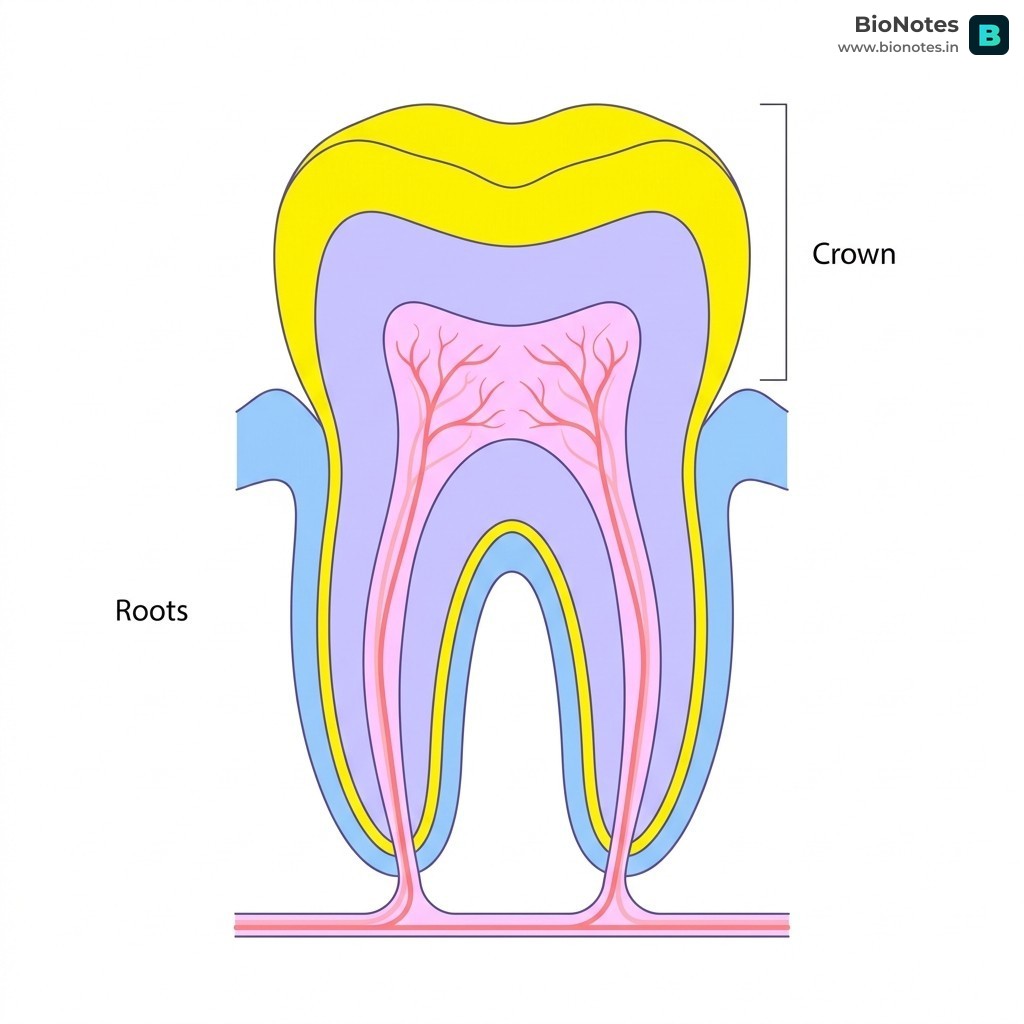
(iv) [2] (a) Incisors cut and bite food [1]; (b) Molars crush and grind food [1].
Interactive Diagram•study Mode
||
www.bionotes.in
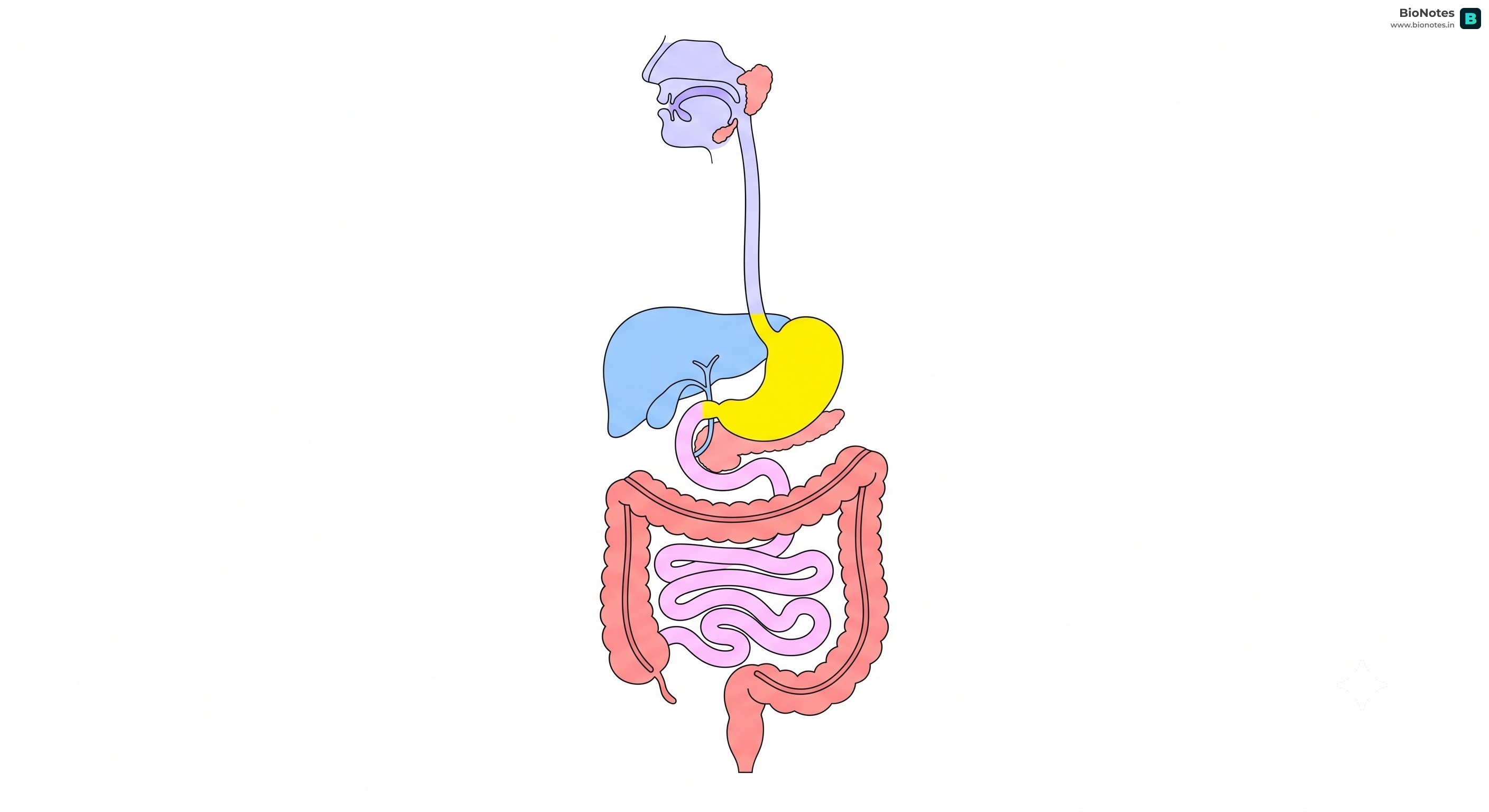
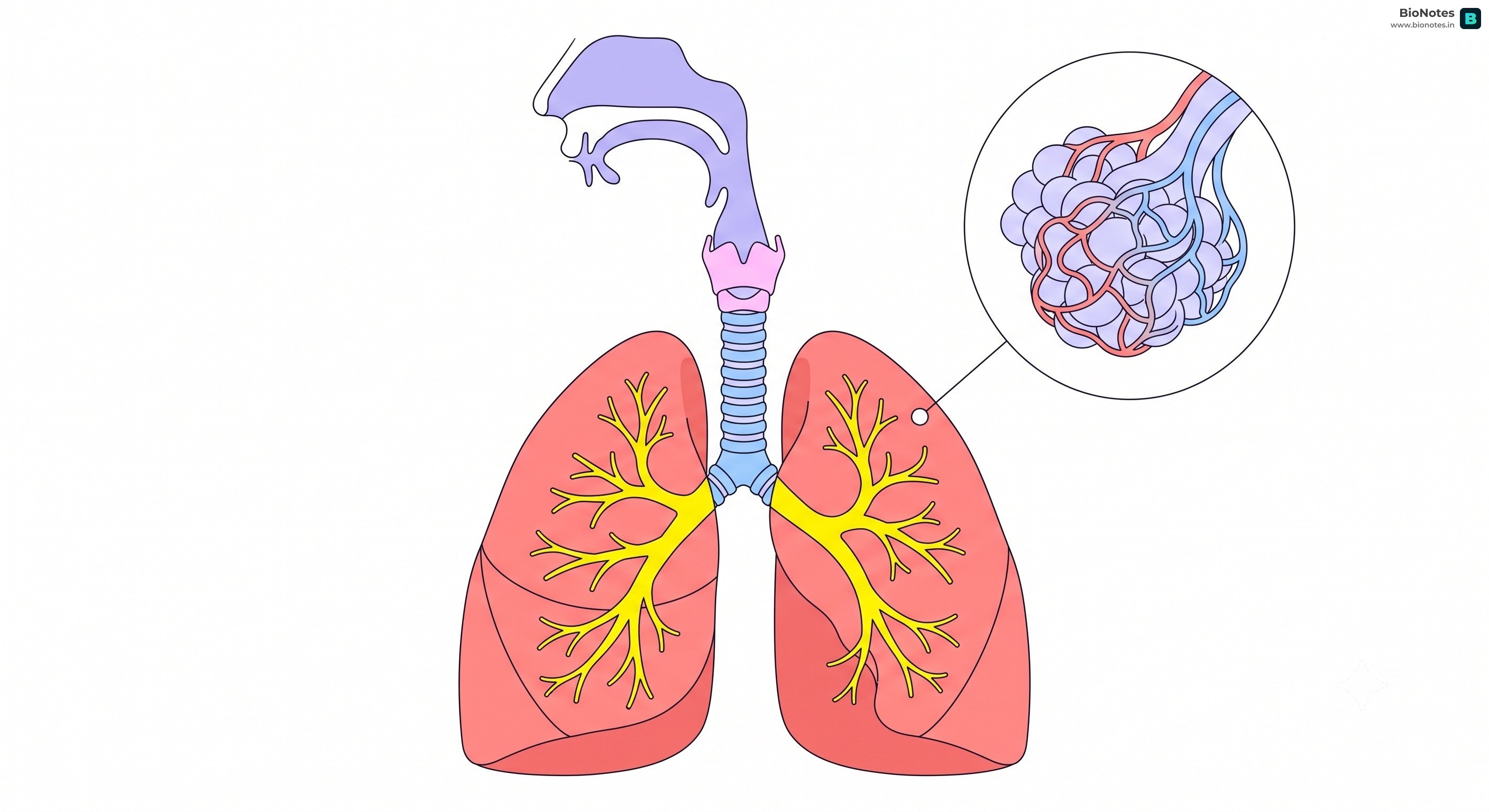
(v) [3] Liver: secretes bile, which emulsifies fats [1]. Pancreas: secretes pancreatic juice [1] containing amylase (starch), trypsin (proteins) and lipase (fats) [1].
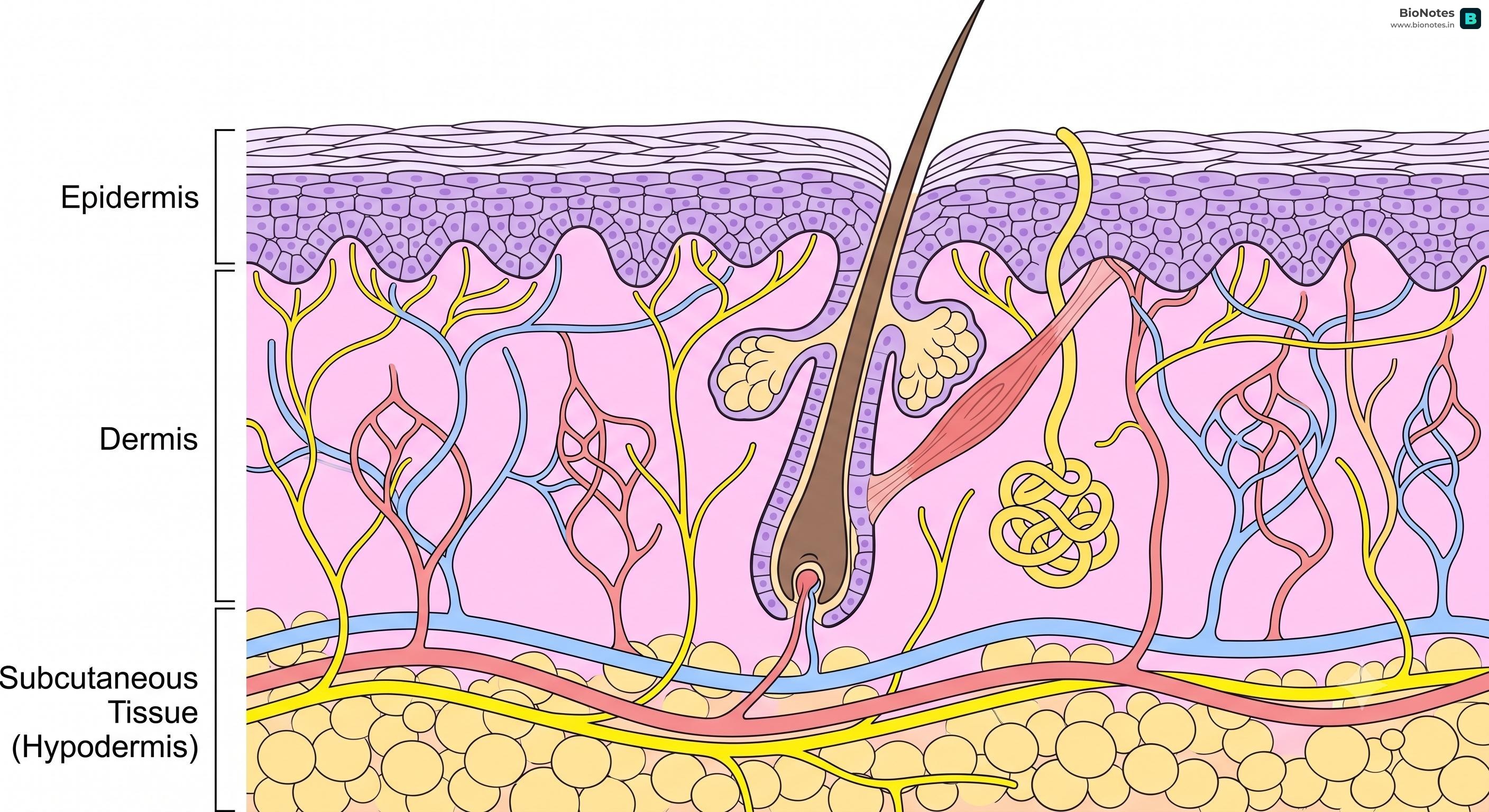
(ii) [2] When the body is hot, the blood vessels in the skin dilate (vasodilation) and sweat glands produce sweat, which evaporates and cools the body [1]. When the body is cold, the blood vessels constrict (vasoconstriction), which reduces the loss of heat [1].
Interactive Diagram•study Mode
||
www.bionotes.in
(iii) [2]
Antiseptic
Disinfectant
Applied on living tissues (skin, wounds)
Applied on non-living objects (floors, drains, toilets)
Mild, so it does not harm tissues
Strong, so it can harm living tissues
Example: Dettol, tincture of iodine
Example: phenol, bleaching powder
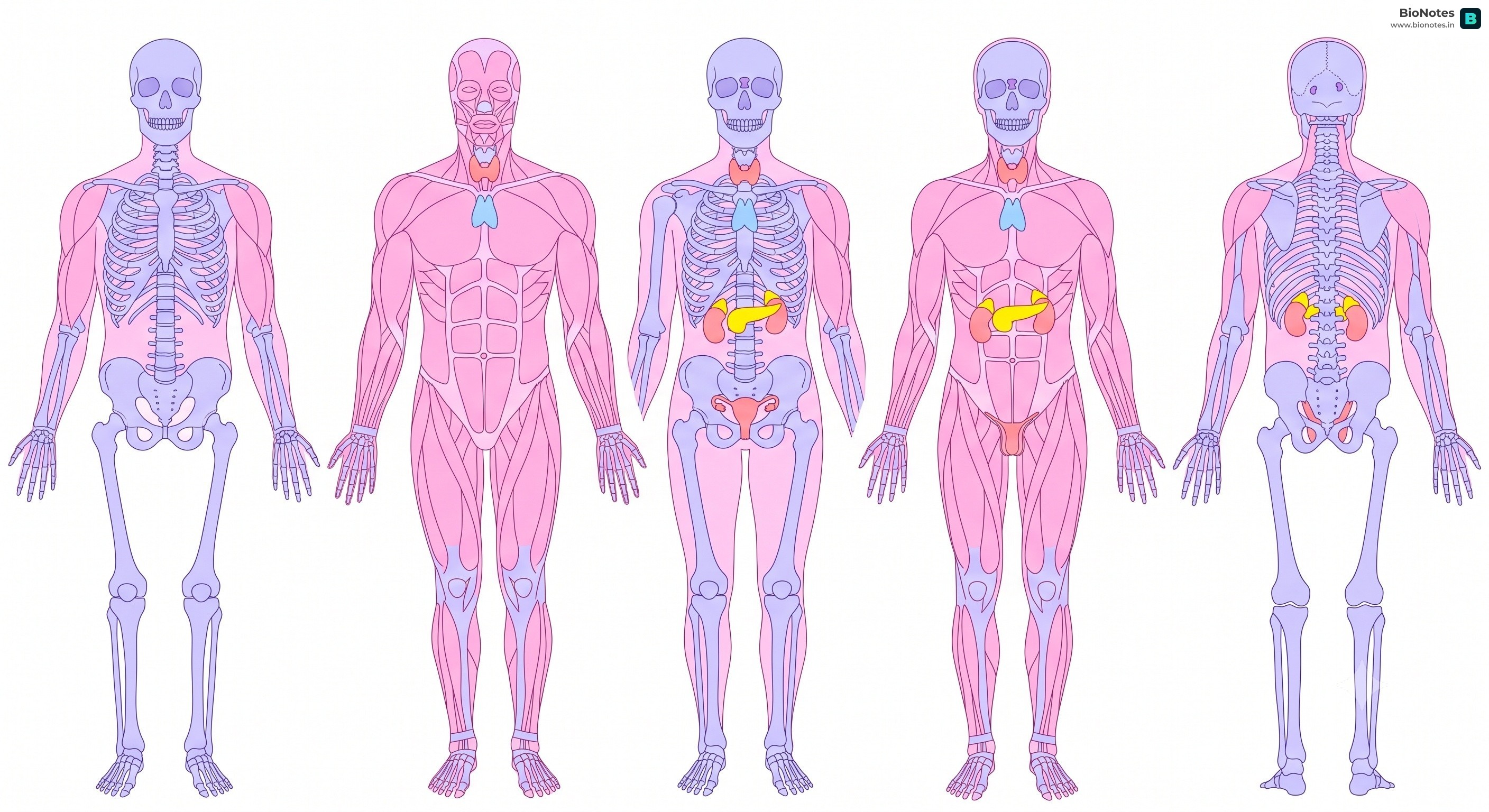
(iv) [2](any two) Gives support and shape to the body; protects delicate organs (brain, heart, lungs); helps in movement by providing attachment to muscles; produces blood cells (bone marrow); stores minerals (calcium and phosphorus).
Interactive Diagram•study Mode
||
www.bionotes.in
(v) [3](any three) Segregation of waste at source; composting of biodegradable waste; incineration; dumping in landfills; treatment of effluents before discharge; sewage treatment; use of scrubbers and electrostatic precipitators for industrial gases.