Class 12
Created by Titas Mallick
Biology Teacher • M.Sc. Botany • B.Ed. • CTET (CBSE) • CISCE Examiner
 BioNotes
Created by Titas Mallick
Biology Teacher • M.Sc. Botany • B.Ed. • CTET (CBSE) • CISCE Examiner
Online
Common Misconceptions
Watch Out! Human reproduction involves complex hormonal cascades. Avoid these errors:
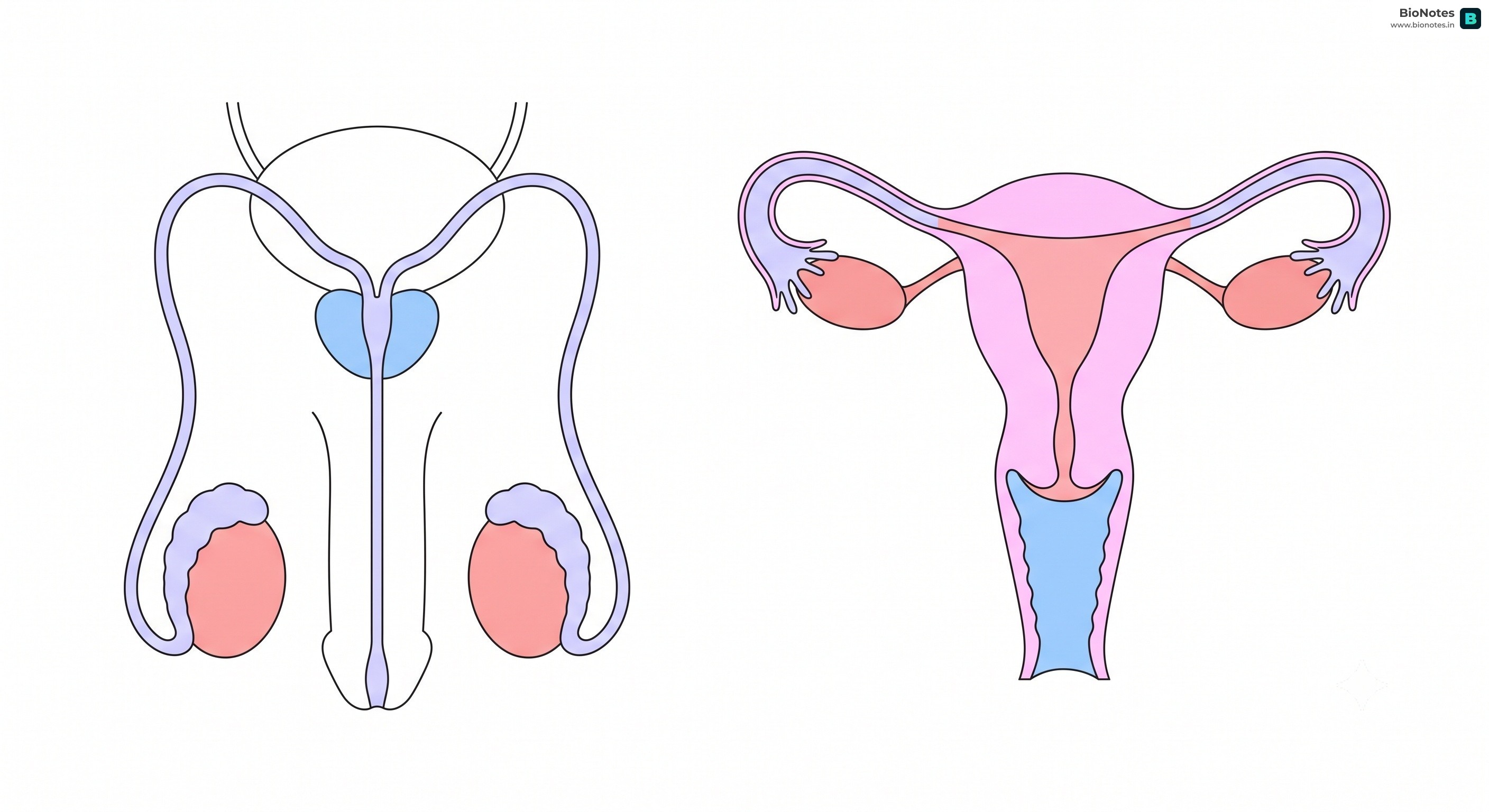 www.bionotes.in
Key Concept: Scrotal Temperature The human body temperature (37°C) is too high for viable sperm production. The scrotum acts as a "thermostat," moving closer to or further from the body to maintain the optimal temperature for spermatogenesis.
Clinical Significance: Cryptorchidism & Associated Terms
Did You Know? A healthy male can produce over 1,000 sperm every second! Once released, sperm can survive for up to 3-5 days inside the female reproductive tract.
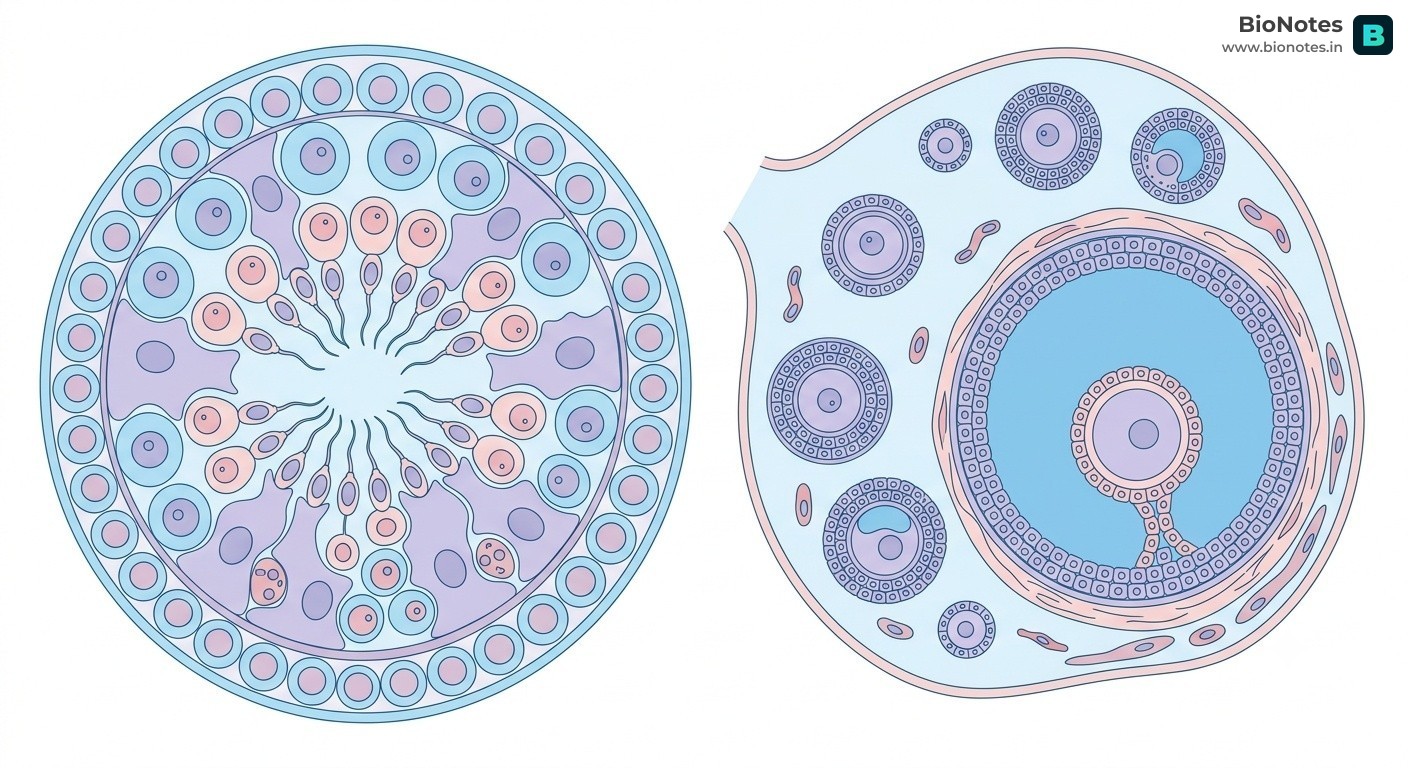 www.bionotes.in
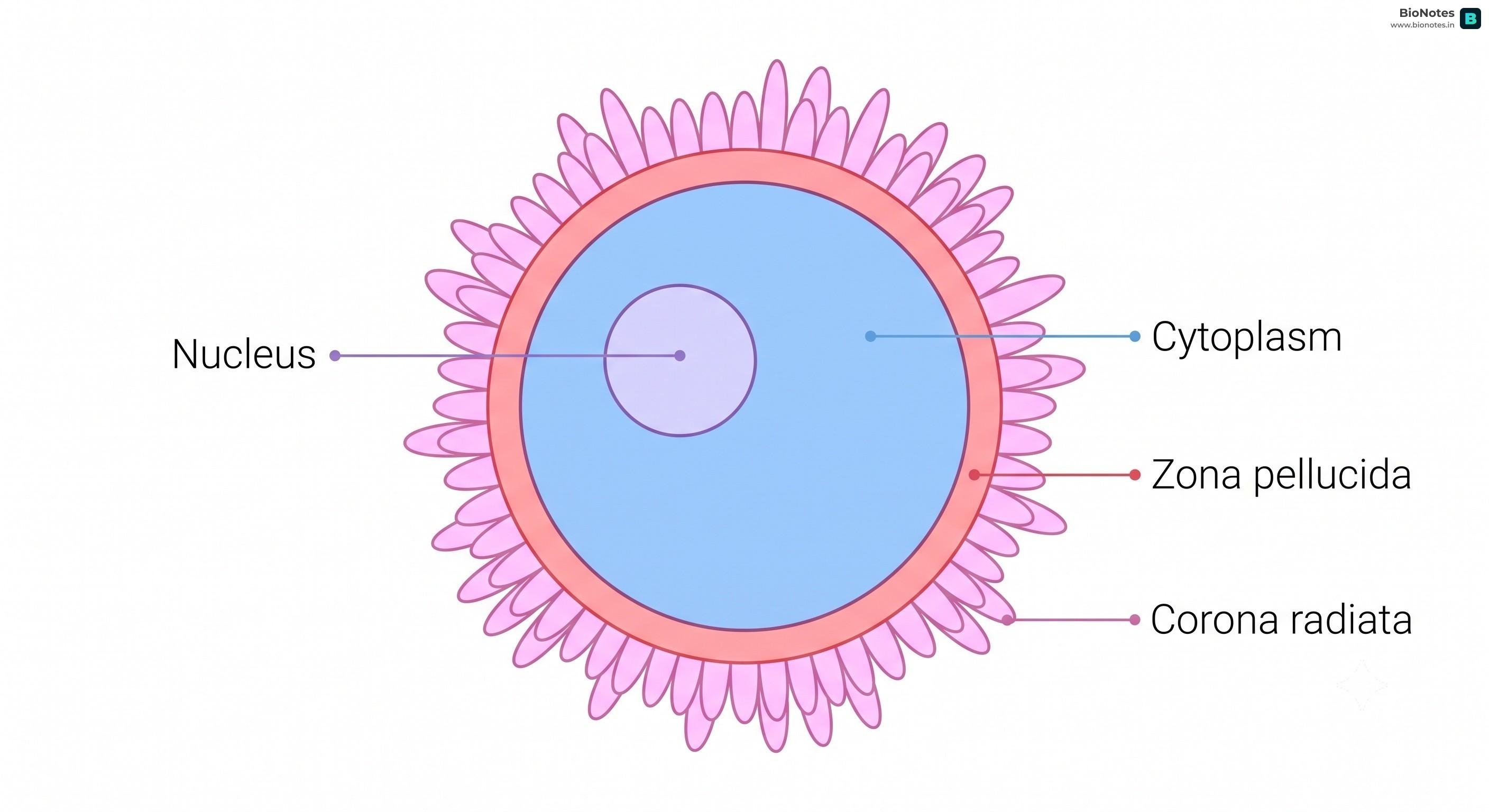 www.bionotes.in
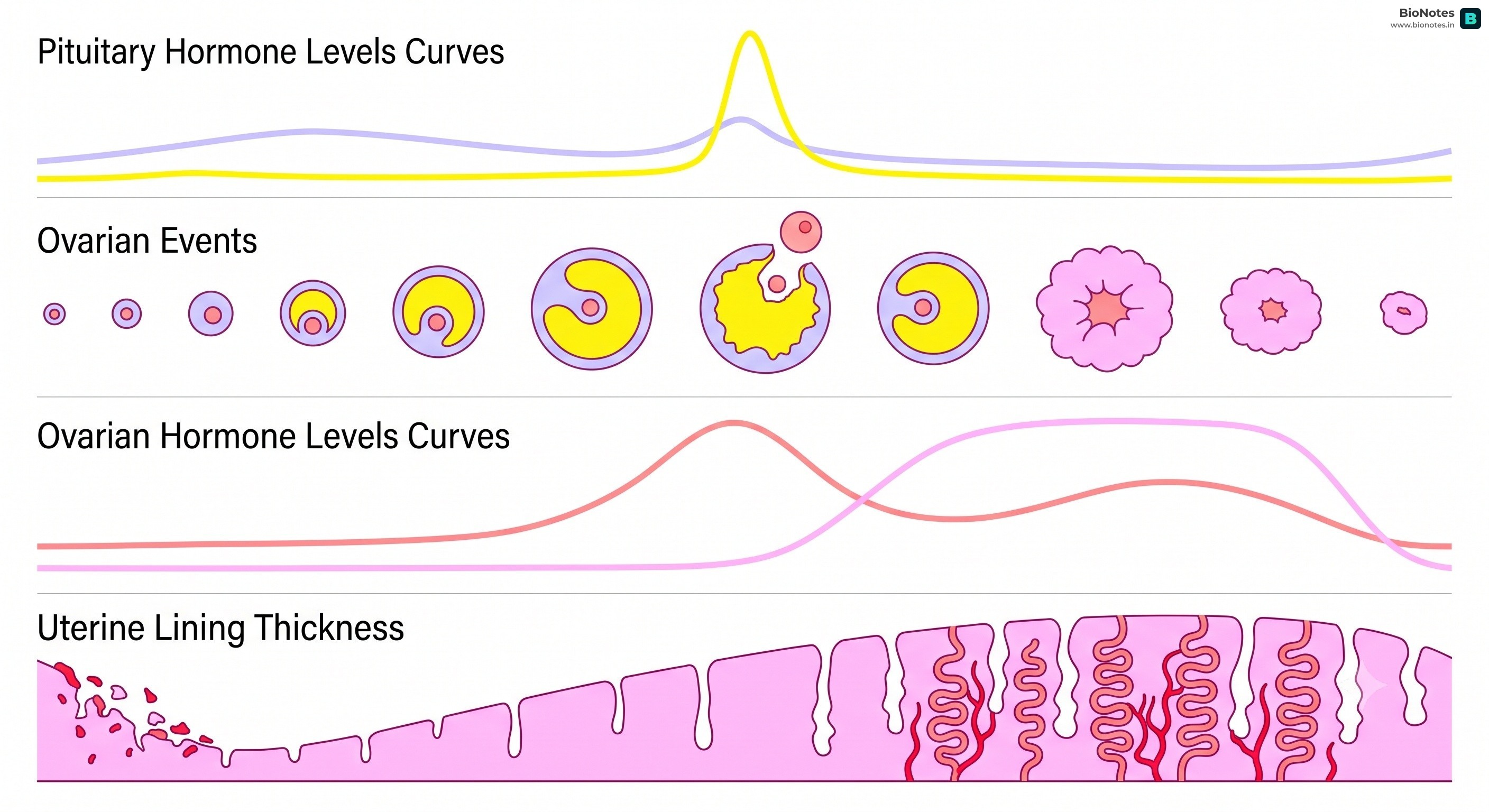 www.bionotes.in
Competitive Edge: Menstrual vs. Estrous Cycle What separates Primates from Non-Primates?
The LH Surge The sharp peak in Luteinizing Hormone (LH) is the master switch that triggers ovulation. Without this surge, the mature follicle would never burst, and the egg would remain trapped inside the ovary.
 www.bionotes.in
Cleavage: Rapid mitotic divisions of the zygote without significant growth, occurring as it moves through the isthmus of the oviduct towards the uterus.
Morula: The embryo at the 8-16 cell stage, resembling a mulberry.
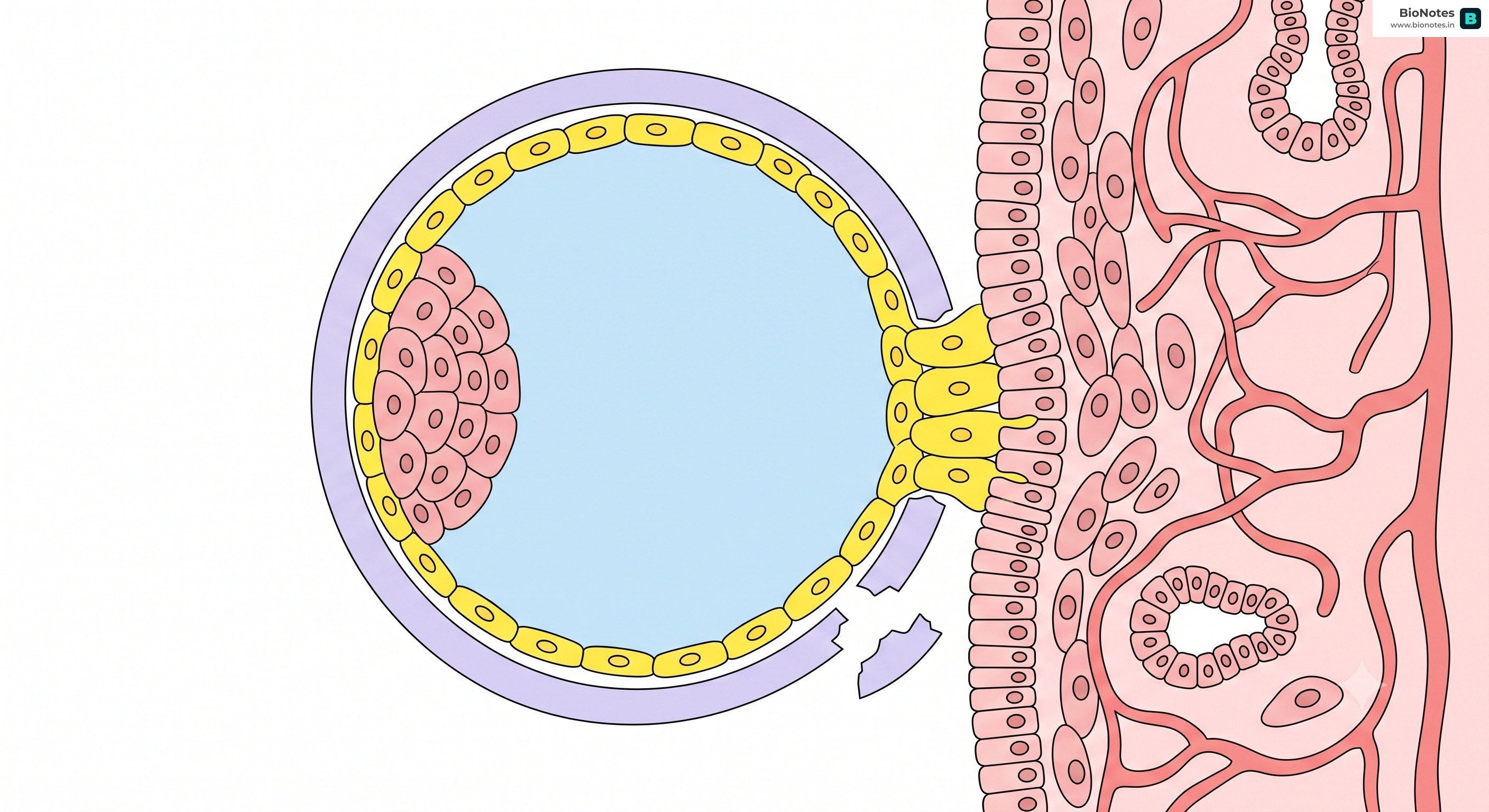
Blastocyst: As the morula continues to divide, it transforms into a blastocyst.
Gastrulation: The transformation of the blastocyst into a gastrula with primary germ layers by the movement of cells (morphogenetic movements).
 www.bionotes.in
Pregnancy Tests Home pregnancy tests work by detecting the presence of the hormone hCG in urine. Since hCG is only produced by the placenta after implantation, its presence is a reliable indicator of pregnancy.
Competitive Edge: Synthesis vs. Ejection Do not confuse the roles of hormones in lactation!
Biological Fact: Colostrum Medical professionals strongly recommend breastfeeding during the initial period of infant growth because Colostrum contains vital antibodies (especially IgA) that help the baby develop a strong immune system before their own starts working.
NGSS-HS-LS1-4AQA-ALevel-3.4.6IB-Biology-11.4